The AI audit happens in your offices, not in a spreadsheet.

We come to you. We talk to your teams before we talk about tools, we look at how the work actually gets done, and we leave you an action plan your teams can run without us.

How an audit runs.

Three movements, in this order. We never start with the tools.

First

We talk to the people doing the work.

Before any diagnosis, we ask each person what eats their time and what annoys them. Customer service, back office, sales, logistics, assistants and management do not lose time in the same places.

What it gives us

The real list of irritants, not the ones assumed from a desk.
Second

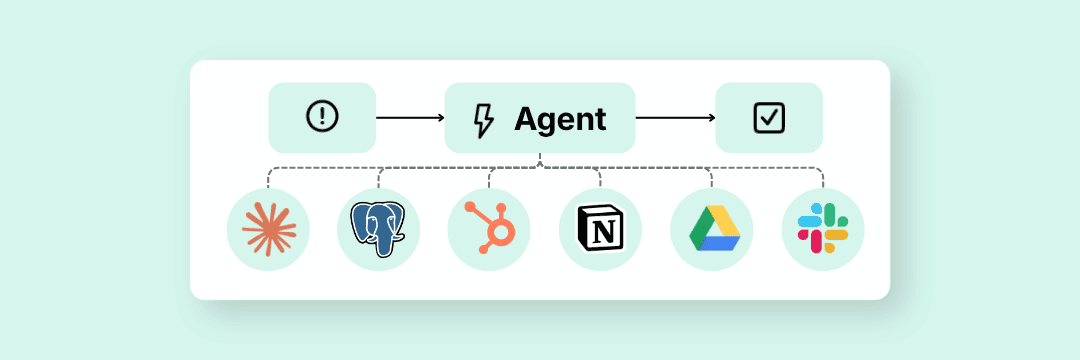
We watch the screen, click by click.

We sit next to the work and watch the real gesture: the copy-paste between two tools, the files retyped, the follow-ups written by hand. We also record what the company already put in place, and what teams already use quietly.

What it gives us

What can be automated, what only needs better tooling, and what has to stay human.

Third

We show what it looks like, then we write the plan.

When something is obvious, we do not just describe it: we build the automation or the small agent in front of the teams and show them. The rest goes into the action plan, with what it takes and who can do it.

What it gives us

Teams that have seen it run, and a plan that will not surprise them.

An action plan, not a report.

A report gets read once and ends up in a shared drive. What we hand over reads like a list of jobs: what already runs, what can ship quickly, what needs a decision from you, and what is better left alone. Every line says who can own it.

  • The state of what already runs, including the tools nobody had declared.
  • The jobs ranked by what they change and what they cost in effort, not by order of appearance.
  • Usable by your teams, by Kirako, or by whichever provider you want. The deliverable is yours.

Who commissions an audit.

A company leader, for their own company

You know AI has to change something in your company, without knowing where to start or who to listen to. The audit settles it, based on what your teams actually do.

One audit, one company, one plan.

A fund or an investor, for portfolio companies

You want to know where your portfolio companies stand on AI, with the same reading grid for all of them, and a plan per company rather than a summary note.

The same audit, repeated company by company.

Scope, pace and number of companies are decided during scoping.

And if you want us to stay after the plan.

The audit ends with a plan you can take anywhere. Some leaders would rather keep someone across the table for the calls that follow: which tool to buy, which quote is reasonable, what to start first, what to turn down. That is the consulting side, per session or over time.

  • What to automate, what to buy, what to build.
  • Who to train, and in what order.
  • What to turn down, because it is too vague or too expensive for your stage.

We sell no licences and take no commission on the tools we recommend.

If you already know what to do.

Or try an agent on your site

What people ask before an audit.

We start by checking whether an audit makes sense for you.

One call, your context, what you need to be able to decide. If the right answer is training, an agent or nothing for now, we will tell you.

See how Kirako runs day to day